Nuclear
Supporting nuclear facilities, regulators, and emergency planners with hazard assessment, CBRNE-informed response protocols, and safety validation for emerging clean energy and radiological risk scenarios.
Canadian Not-for-Profit · Clean Energy Safety Research
Clean Core Research is a Canadian federally incorporated not-for-profit organization dedicated to protecting communities, workers, and first responders as clean energy technologies become part of everyday life.
We conduct independent research, destructive testing, and training on lithium-ion batteries, hydrogen systems, and emerging energy technologies. Our work produces open, unbiased safety data that supports emergency response, informs public policy, and helps communities safely adopt clean energy at scale.
As a not-for-profit, our independent, evidence-based work is conducted in the public interest and shared to advance public safety standards across the sector.
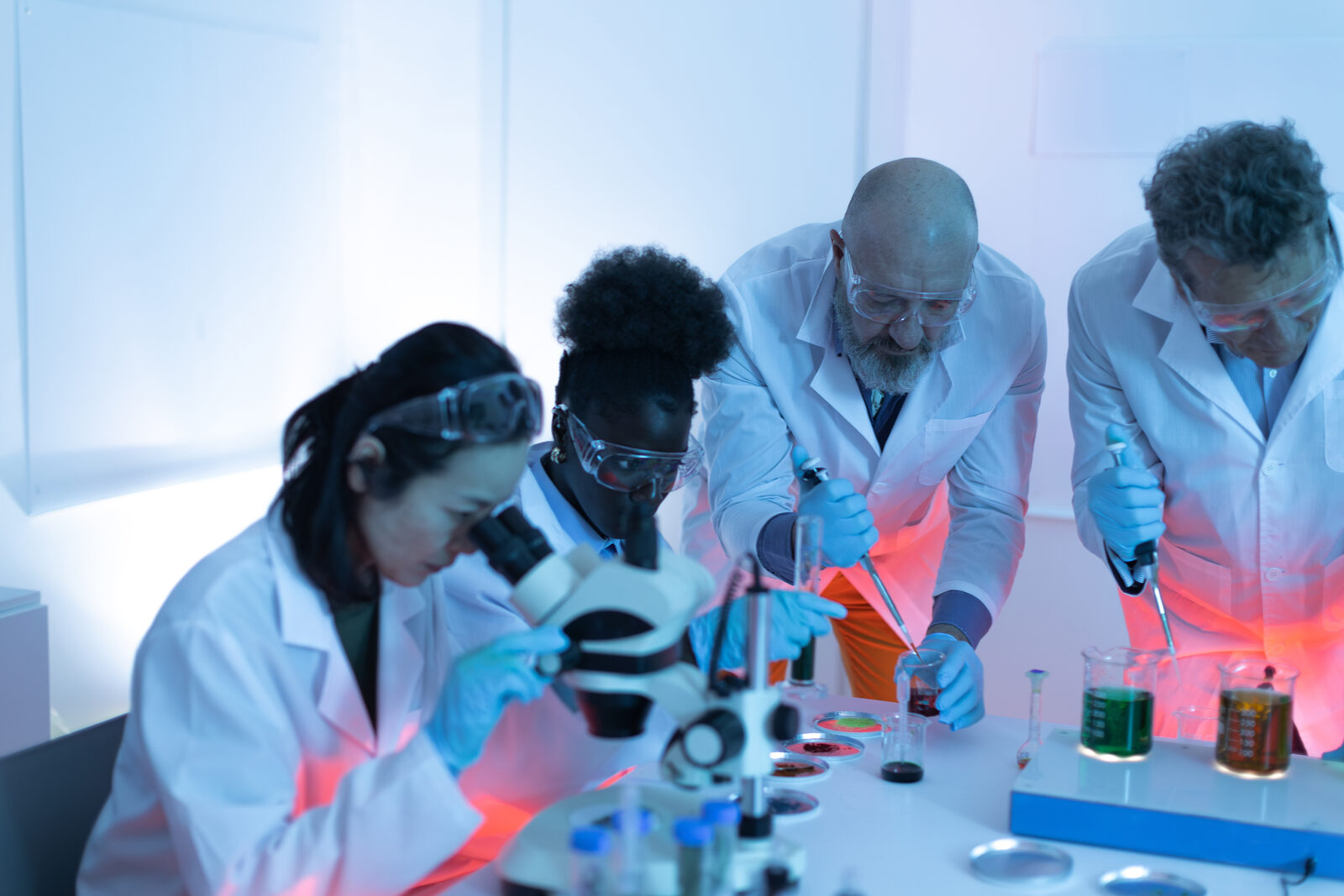
Through independent, nonprofit research, we share open safety data with firefighters, governments, universities, and standards bodies to protect communities and workers as clean energy technologies scale.
Supporting nuclear facilities, regulators, and emergency planners with hazard assessment, CBRNE-informed response protocols, and safety validation for emerging clean energy and radiological risk scenarios.
Evaluating fire risk, thermal runaway behaviour, and post-incident hazards in battery recycling, e-waste handling, and waste management operations to protect workers, facilities, and communities.
Collaborating with universities and standards bodies to shape codes, curriculum, and public policy rooted in rigorous testing data.
Delivering scenario-based training, evidence-based response protocols, and regulatory insights for municipal, provincial, and federal agencies.
Supporting life-sciences, hospitals, and clean tech innovators with reliability studies, material compatibility testing, and emergency preparedness.
Assessing storage, transport, and operational risk for battery and hydrogen systems used in advanced manufacturing and distribution networks.
What We Do
We lead longitudinal studies, conduct destructive testing, and simulate real-world emergencies to advance safe clean energy adoption.
Extreme, real-world experiments replicating failures, accidents, and emergency scenarios to inform product design and public safety.
Long-term health and environmental exposure research on clean energy technologies, including field deployments and community datasets.
Mobile lab deployments recreating emergency scenarios to help stakeholders understand risk profiles and mitigation strategies.
Our Services
We deliver detailed reporting, digital twins, and incident-ready playbooks tailored to your industry and technology.

Stress-testing batteries, hydrogen systems, and storage solutions to map failure points, fire risk, and containment integrity.
Deployable test beds recreating the conditions of fires, leaks, and critical events to train teams and validate response plans.


Independent investigations on how clean energy materials interact with ecosystems and human health over time.
Watch Our Work
Experience our destructive testing and research methodologies through real-world demonstrations and field studies.
Research Focus
Clean energy is the future, but the speed of innovation is outpacing the safety systems designed to support it. Clean Core Research was created to address that gap. We collaborate with industry, academia, and government to answer the most urgent safety and sustainability questions in clean energy.
Our work focuses on the emerging risks associated with lithium-ion batteries, hydrogen systems, energy storage, electric transportation, and other clean energy technologies. These technologies are transforming how we live, work, move, and power critical infrastructure, but they also create new challenges for emergency responders, regulators, industry, insurers, investigators, and communities.
We conduct independent research, destructive testing, training, and technical evaluation to help ensure public safety keeps pace with innovation. Our priority areas are driven by real-world risk, operational gaps, and the need for evidence-based standards, policy, and emergency response practices.
Thermal runaway, puncture resistance, and chemical release studies informing product design and emergency response.
Containment breach simulations, dispersion modeling, and blast resistance research accelerating safe hydrogen adoption.
Evidence-backed guidance for standards bodies, regulatory agencies, and training programs shaping national safety frameworks.
Scientific Papers
Our researchers contribute original findings to the fields of battery safety, hydrogen systems, and environmental impact — publishing data-driven work that informs standards, policy, and industry practice.
Randy Narine & Matthew D. Adams · 2026 (preprint)
Observational Evidence from Field Investigation and Destructive Testing. Across field investigations, laboratory observation, and controlled destructive testing in CCR’s mobile research unit, researchers document ongoing metallic corrosion—including pitting, oxide formation, and elevated contact resistance—on electrical components, tools, and infrastructure days to months after lithium-ion battery thermal runaway suppression.
Interested in collaborating on future research or citing our work? Contact us.
Our Mission
Innovation must be matched with honest, transparent research. Safety, sustainability, and scientific integrity guide every partnership.
To enhance public safety, environmental awareness, and emergency readiness through cutting-edge destructive testing and health-focused research.
A future where clean energy powers communities responsibly—with data, care, and a clear understanding of long-term impacts on people and the planet.
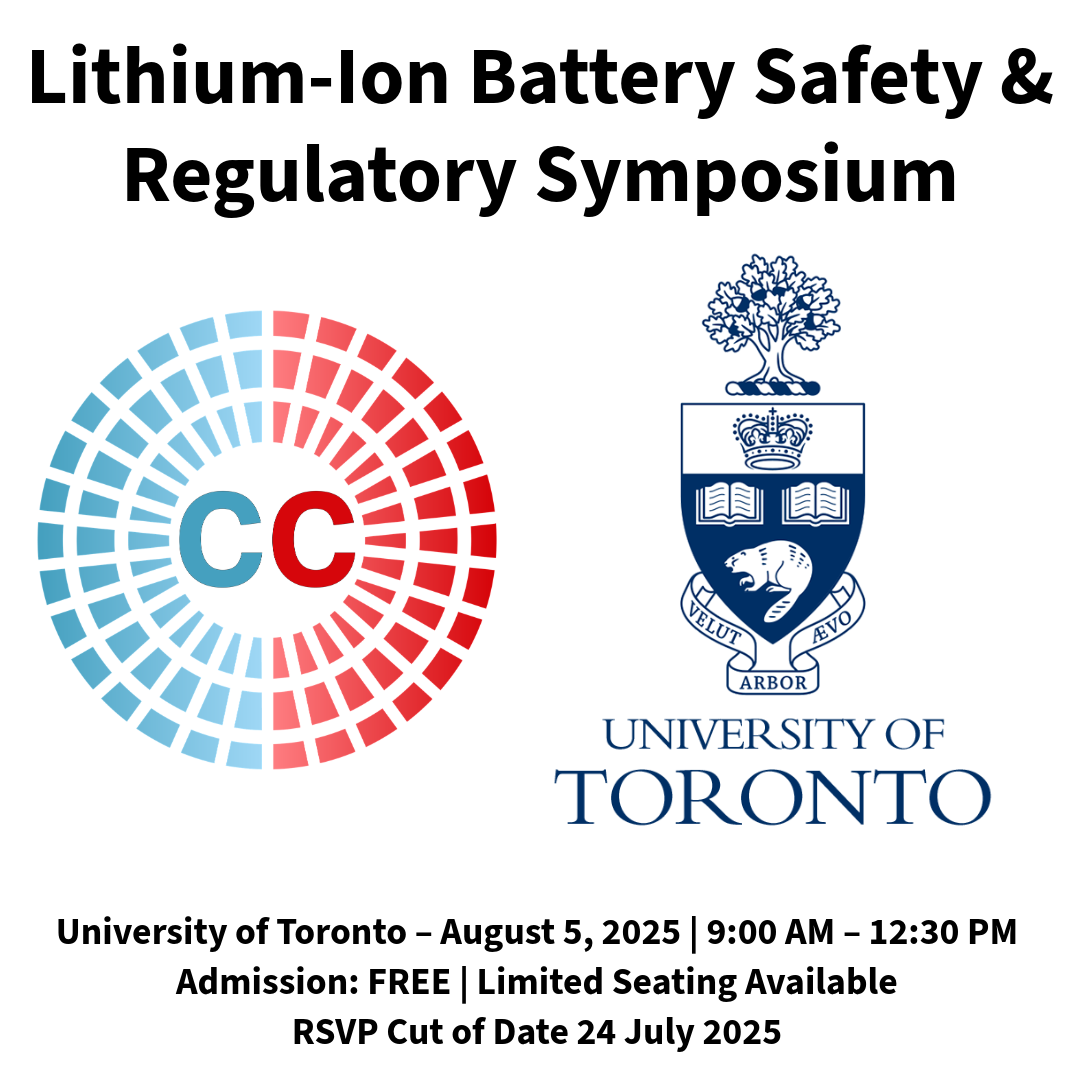
Past Event
In the News
Selected reporting and analysis on lithium-ion battery fires, emergency response, recycling, and public health—external sources for context alongside our research.
Clean Core Research collaborates with federal agencies, manufacturers, universities, and non-profits. Whether you need data, training, or research support—let’s talk.
Receive research updates, event notices, and testing insights.